

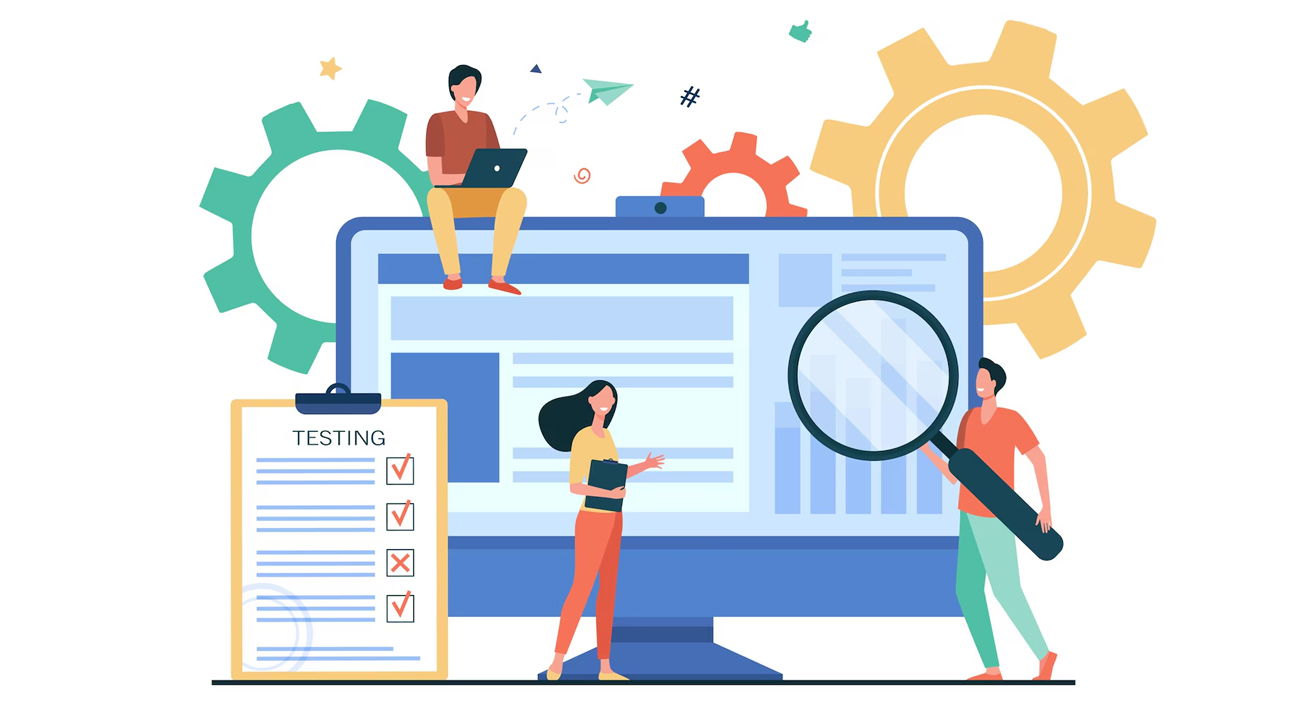
Software Testing is the process of evaluating a software application to ensure it meets the required quality standards, functions correctly, and delivers a seamless user experience. It involves identifying and fixing bugs, verifying performance, and validating that the software aligns with business requirements. Through manual and automated testing methods, organizations can ensure reliability, efficiency, and security before deployment. Effective software testing improves product quality, reduces risks, and enhances customer satisfaction.
Pentagram is your trusted partner for comprehensive software solutions, addressing diverse business needs with precision and reliability.
© Copyright 2025 - All Rights Reserved By Pentagram